Not every coin comes to your hands preserved perfectly. It might be disappointing, but damaged coins present a unique challenge. They carry history and look charming, but they also require careful handling to prevent additional deterioration.
There are proven methods of protecting condition and, therefore, value of coins that were damaged. Let’s navigate them and understand how professional protection works, even in home conditions.
Identify the Type and Severity of Damage
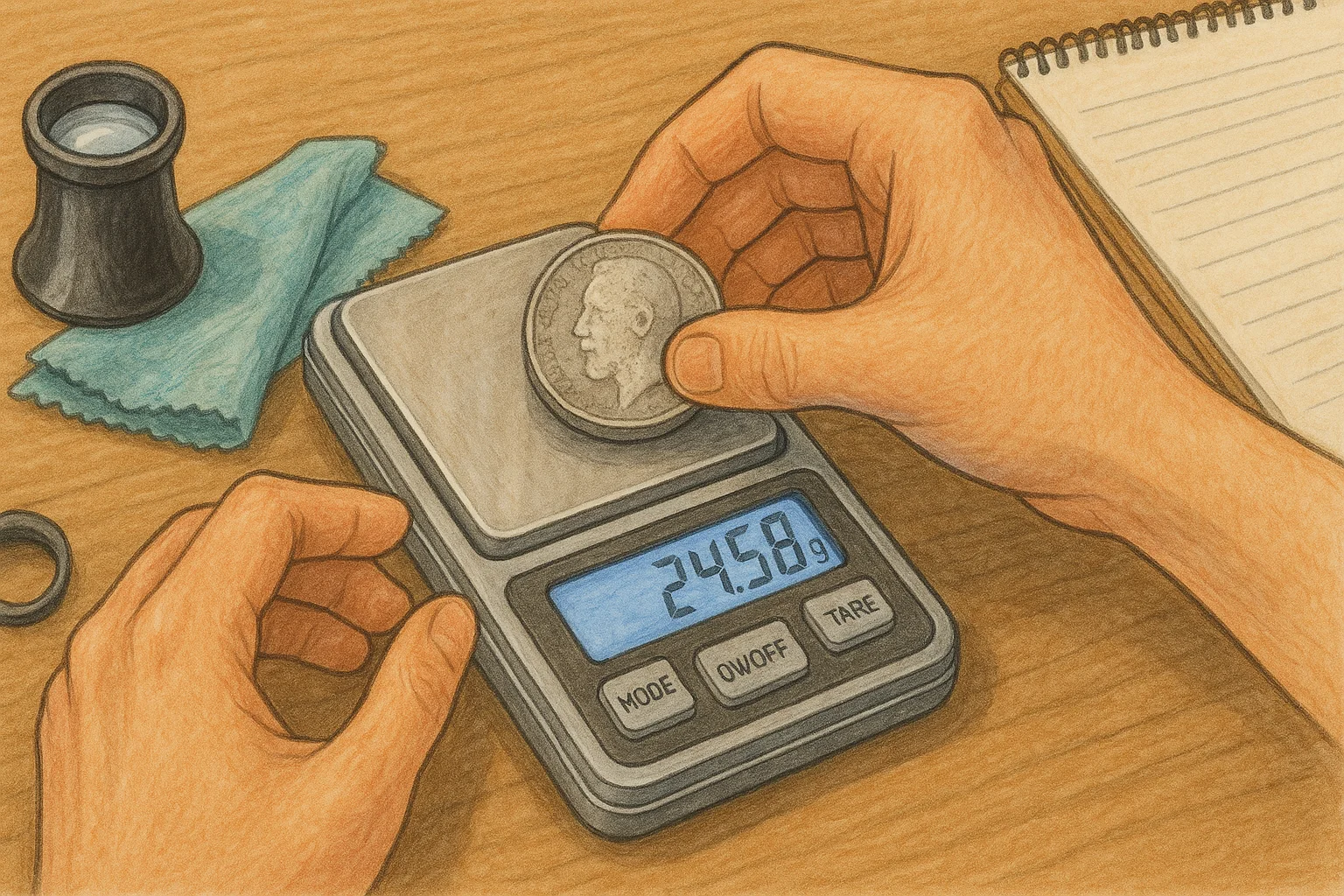
Let’s start from the very beginning: you’ve got your hands onto a damaged collectible. Protecting such coins begins with understanding what kind of damage exists and how active the problem is. Before any preservation step, examine the coin under proper lighting and magnification. Different issues demand different responses. Common forms of damage include:
- Active corrosion such as verdigris, rust, or powdery deposits.
- Milk spots on modern bullion, often seen on silver issues.
- Scratches and hairlines caused by rough handling or abrasive cleaning.
- Environmental wear such as dull surfaces, moisture staining, or residue.
- Edge and rim problems that reveal impact or pressure damage.
Distinguishing active corrosion from stable toning is essential. Toning with natural patterns is not harmful and often improves desirability. Corrosion, however, spreads and must be stopped as soon as possible.
Document the Coin’s Condition Before Doing Anything
Recording details helps you track stability over time and prevents confusion later. Note:
- Weight
- Diameter
- Edge style
- Visible defects
- Color changes
- Areas that seem unstable
A simple log — digital or physical — builds a history for each coin and supports better preservation choices.
Pro Tip: Many collectors now use tools like free coin identifier and value checkup for quick identification and verification during this stage. The app processes a photo and provides data such as mint years, composition, and market references. It helps you confirm what the coin should look like and how rare or delicate it might be.
Create a Plan That Matches the Coin’s Needs
Not all coins require the same approach. A modern circulation piece with minor dirt demands less intervention than a 19th-century copper showing active corrosion. By assessing the coin first, you avoid unnecessary cleaning, prevent accidental damage, and ensure that any preservation step supports long-term stability.
Use Gentle, Non-Abrasive Stabilization Methods
Once you understand the condition of a damaged coin, the next step is stabilization. The goal is simple: stop deterioration without altering original surfaces. Many mistakes come from over-cleaning, so every action should be minimal and controlled.
Coins respond poorly to harsh chemicals and abrasive scrubbing. Even mild household cleaners can strip metal layers or leave residues that trigger new corrosion. Safer methods rely on patience and soft tools.
Recommended techniques include:
- Soaking in distilled water for 15–30 minutes to loosen dirt or organic material.
- Air-drying on a clean, soft cloth instead of rubbing the surface.
- Light brushing with a soft-bristle tool to remove loose particles.
- Avoiding pressure, which prevents hairlines and micro-scratches.
For long-term protection, many collectors apply microcrystalline wax. A thin layer seals the surface, blocks moisture, and adds a stable barrier against airborne pollutants. It does not alter patina and is reversible, making it suitable for many historical coins.
Select Storage Options That Protect Surfaces
Proper storage is one of the strongest defenses against future damage. Damaged coins are often more sensitive to environmental shifts, so they benefit from controlled conditions.
Use storage solutions such as:
- Acid-free flips and Mylar holders
- Airtight capsules for pieces at risk of further reaction
- Inert trays for larger or irregular items
- Soft-lined boxes with minimal movement
Avoid PVC holders completely, as they release chemicals that cause sticky residue and green deposits over time.
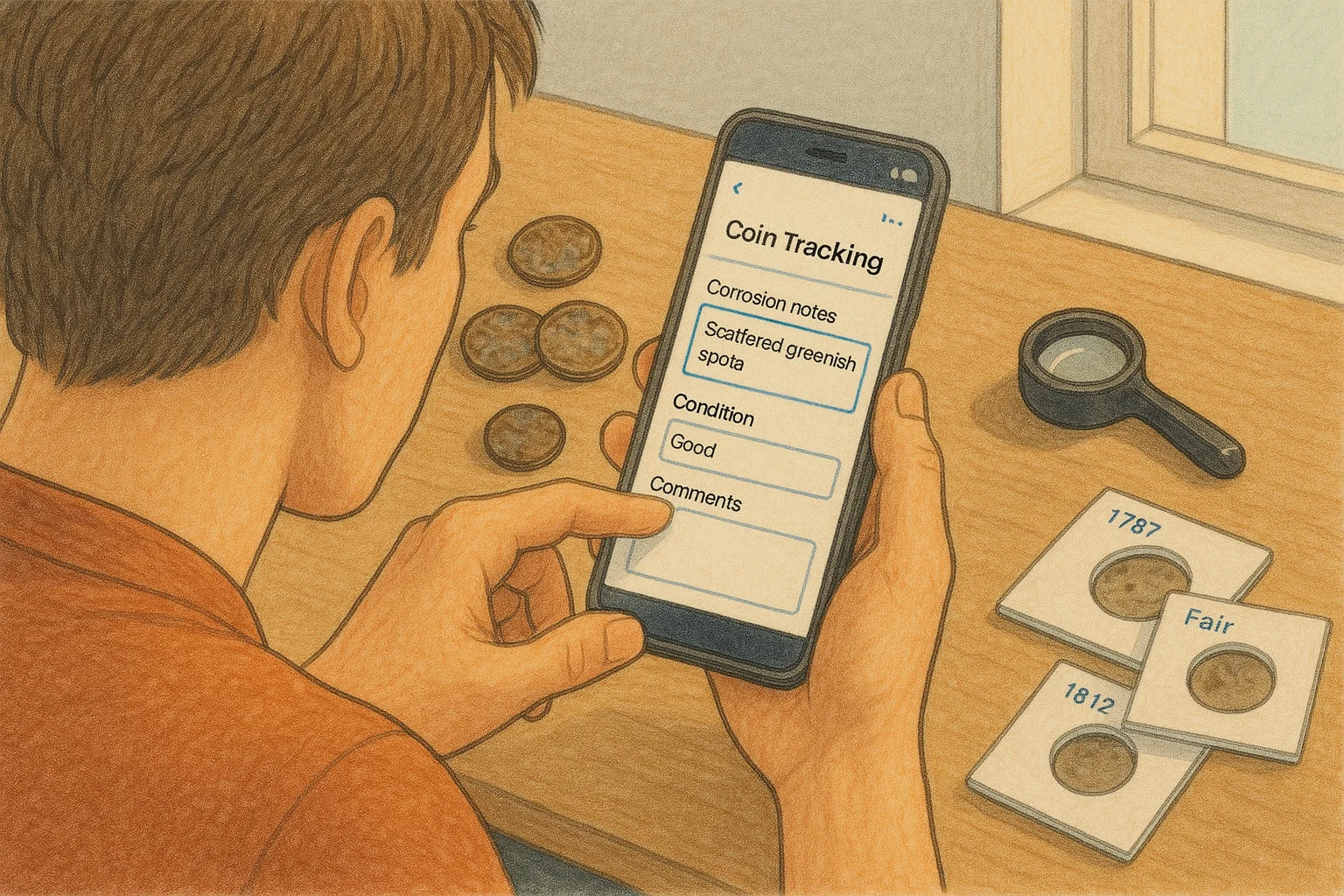
Pro Tip: When you’ve already put the coin into a capsule, don’t forget to document it with a coin identifier app for Android. Mention its condition (in case it changes over time) and make personal notes on handling for easier maintenance.
Control Temperature, Humidity, and Light Exposure
Environmental stability plays a major role in protecting compromised coins. Ideal conditions include:
- Humidity between 30–50%
- Temperatures below 70°F
- Low light exposure, especially UV radiation
- Silica packs inside storage boxes to absorb moisture
- Airtight containers to limit pollutants
Regular checks help spot early signs of worsening corrosion or shifting color. Many collectors organize these inspections using digital tools, pairing coin condition notes with updated market values to maintain a complete preservation record.
Maintain Strong Environmental Controls
Stabilizing and storing a damaged coin is only part of long-term preservation. Coins continue to react to their surroundings, especially if past corrosion or environmental wear has weakened their surfaces. Ongoing monitoring and occasional expert intervention help secure the coin’s future value and historical integrity.
Even with proper holders, damaged coins remain sensitive to light, humidity, and pollutants. A controlled environment prevents reactivation of corrosion and reduces the risk of new surface issues.
Key practices are:
- Using UV-filtered display cases if the coin is shown openly.
- Keeping storage boxes in cool, stable spaces away from HVAC vents and direct sunlight.
- Avoiding attics, basements, and garages, which experience drastic thermal changes.
- Placing silica gel packs inside cabinets or safes to balance moisture.
- Inspecting every few months for color shifts, edge deposits, or sticky patches.
Regular audits allow you to intervene early, preventing small issues from escalating into permanent damage.
Turn to Professional Conservation When Needed
Some coins require expertise beyond safe home methods. Professional conservation services — including NGC, ANACS, and independent restorers — use non-invasive techniques designed to stabilize surfaces without deceptive alterations. These processes may:
- Remove active corrosion using controlled chemical reactions.
- Lift residues without disturbing the original patina.
- Seal vulnerable metal areas.
- Improve eye appeal while meeting ethical numismatic standards.
These treatments help protect rare or high-value coins that collectors want to preserve for the long term without compromising authenticity.
After professional work is completed, updating digital records becomes essential. Many collectors use Coin ID Scanner to catalogue the coin again, verify specifications, and track value changes. The app’s AI Coin Helper, smart filters, and access to more than 187,000 coin types support consistent monitoring as the coin ages.
Build a Habit of Long-Term Tracking
Preservation is not a one-time task. Create a routine that includes:
- Periodic visual checks
- Updates to weight and diameter records
- Notes on environmental changes
- Adjustments to storage if needed
By combining thoughtful care, structured monitoring, and expert support when necessary, collectors safeguard their damaged coins and ensure they remain stable, documented, and appreciated for generations to come.
 admin
admin